


HP-EX2 vs HP-EX3: Which Cardboard Shredder Fits Your Preparation Job?
2026-10-25 11:12
Choosing between the HP-EX2 and HP-EX3 changes how cardboard preparation fits into a packing operation. The decision involves the width of the panels entering the machine, the pace at which those panels are converted, and where the equipment will be installed. Looking at those three elements together is more useful than choosing simply by cabinet size.
Recycle Paking offers the compact HP-EX2 cardboard shredder and the floor-standing HP-EX3 cardboard shredder. Both convert cardboard into cushioning material, but their published working widths and feed speeds differ substantially. The following comparison connects those differences to a defined preparation job, rather than assuming that every warehouse needs the same machine.
The published differences that drive the comparison
| Equipment detail | HP-EX2 | HP-EX3 |
|---|---|---|
| Cutting width | 320mm | 500mm |
| Listed linear speed | 3 m/min | 15 m/min |
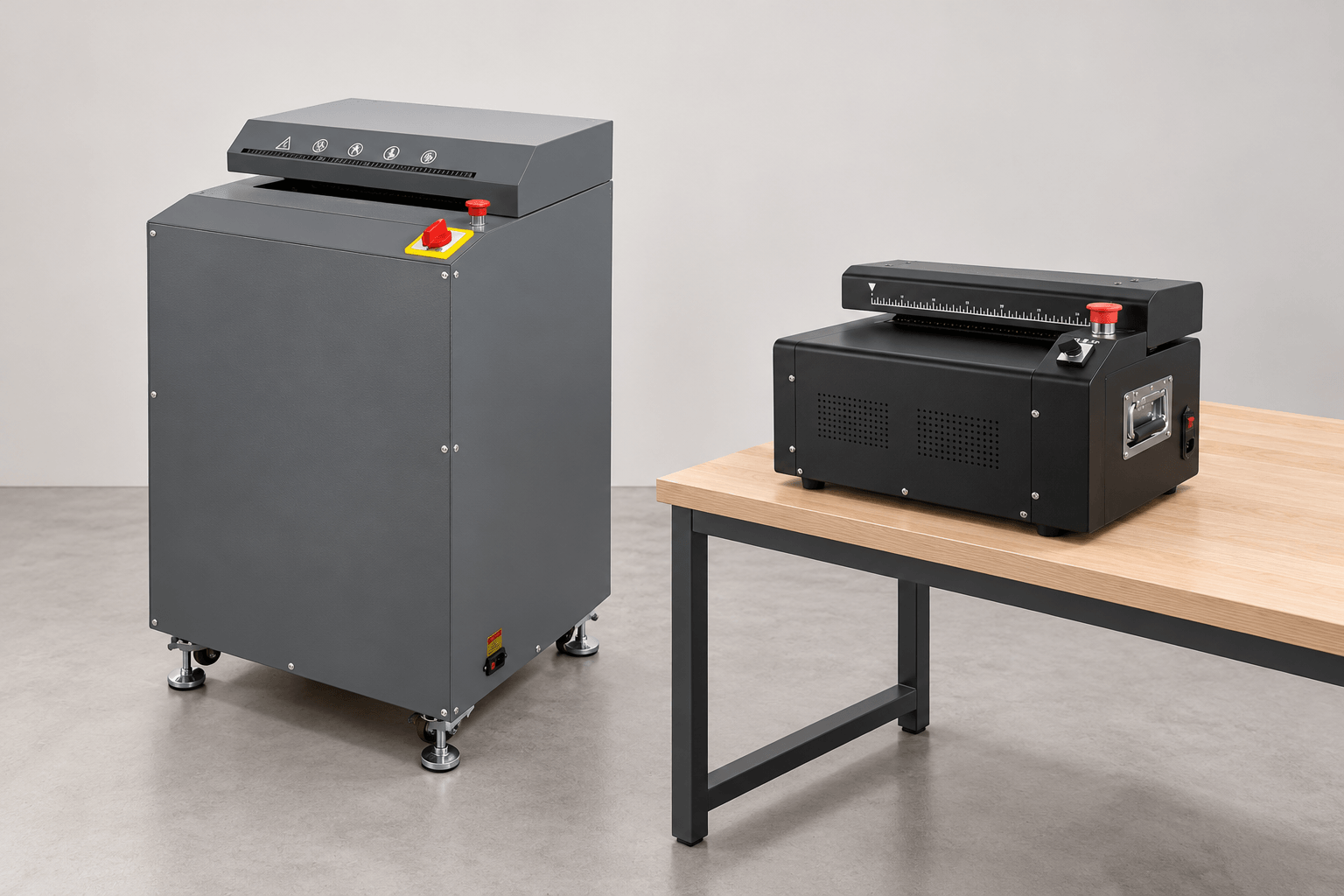
| Installation format shown | Compact desktop unit | Floor-standing cabinet |
| Listed net weight | 33kg | 133kg for the listed 220V version |
The figures come from the two linked product pages; the installation formats are visible in their official photographs. The HP-EX3 weight is explicitly associated with the listed 220V version. These details describe equipment choices, while the incoming cardboard and intended cushioning application define the work to be done.
Use incoming panel width to identify the relevant model
Consider width alone for two example panels: one 300mm wide and another 450mm wide. The 300mm panel sits within both published cutting-width figures. The 450mm panel exceeds the HP-EX2’s 320mm working span but falls within the HP-EX3’s 500mm figure. This simple comparison identifies where the wider machine changes the preparation task.
For a supply made up mainly of narrow panels, the HP-EX2’s working width may already match the selected stock. When wider panels are a regular part of the preparation plan, the HP-EX3 provides additional working span. The useful question is how often that span is needed, rather than whether a large machine can also process a small panel.
Panel width and cardboard thickness are separate measurements. A wider feed span should not be read as a claim that a machine accepts every board grade or thickness. Define the intended panel stock alongside its width so the equipment request describes a real input, not just the outside dimensions of a used box.
Translate feed speed into the time spent moving a panel
At the published linear speeds, one metre of feed travel corresponds arithmetically to 20 seconds on a 3 m/min machine and 4 seconds on a 15 m/min machine. These are calculated travel-time examples at the stated rates, not measured preparation cycles. They isolate the part of the job in which material is moving through the equipment.
The complete sequence also includes selecting a panel, positioning it, collecting the converted section, and arranging the next piece. Faster feed becomes useful when prepared stock is available and collection keeps pace. If most of the task consists of finding and preparing cardboard, those handling steps will still occupy part of the working cycle.
HP-EX2 suits a defined desktop conversion position
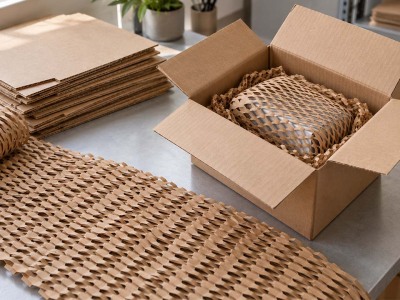
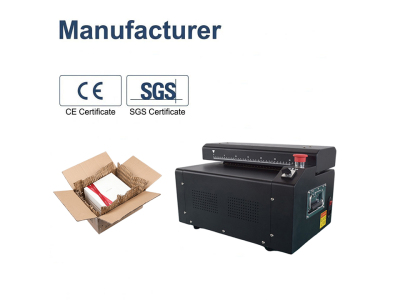
The HP-EX2’s published 430 × 250 × 260mm body creates an equipment option for a bench-based preparation position. Its net weight of 33kg is relevant when choosing the supporting surface and planning installation. The official photographs show the raised feed hood, visible guide markings, and a linked cardboard section that can be handled after conversion.
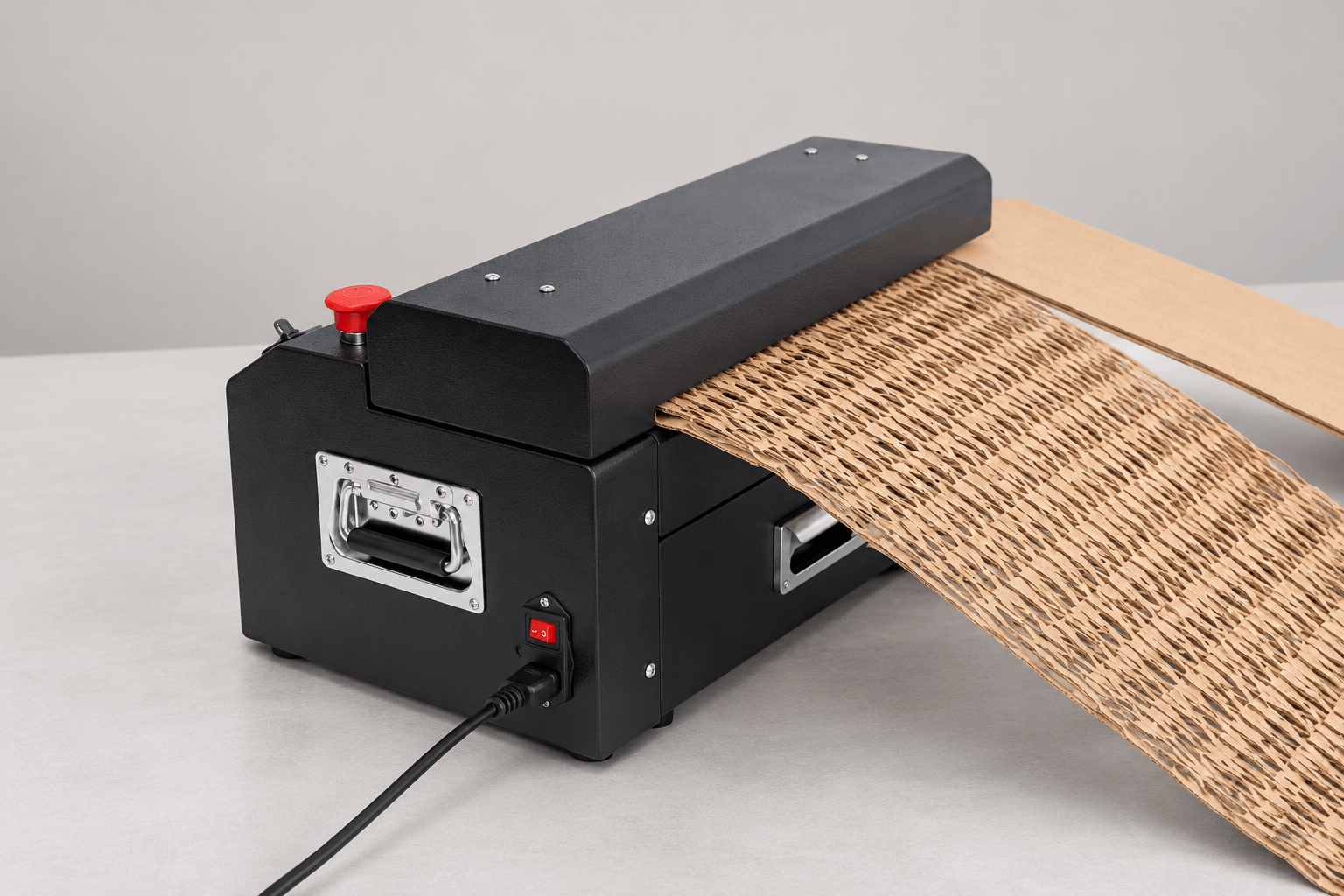
For a task built around prepared narrow panels, the machine can be discussed alongside the existing bench and collection area. Keep the incoming panel stack and converted material in separate positions so the operator can move through the preparation sequence clearly. This describes an application arrangement, not an assumed minimum or maximum number of parcels per day.
HP-EX3 brings the wider span into a floor-standing format
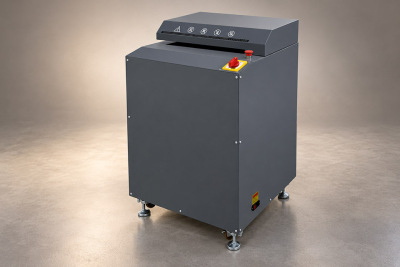
The HP-EX3 combines its 500mm cutting width with a separate floor-standing cabinet. Recycle Paking also lists feed and return controls and an emergency stop for this model. Its photographed wheel and leveling-foot arrangement belongs to that equipment format, alongside the higher listed machine weight.
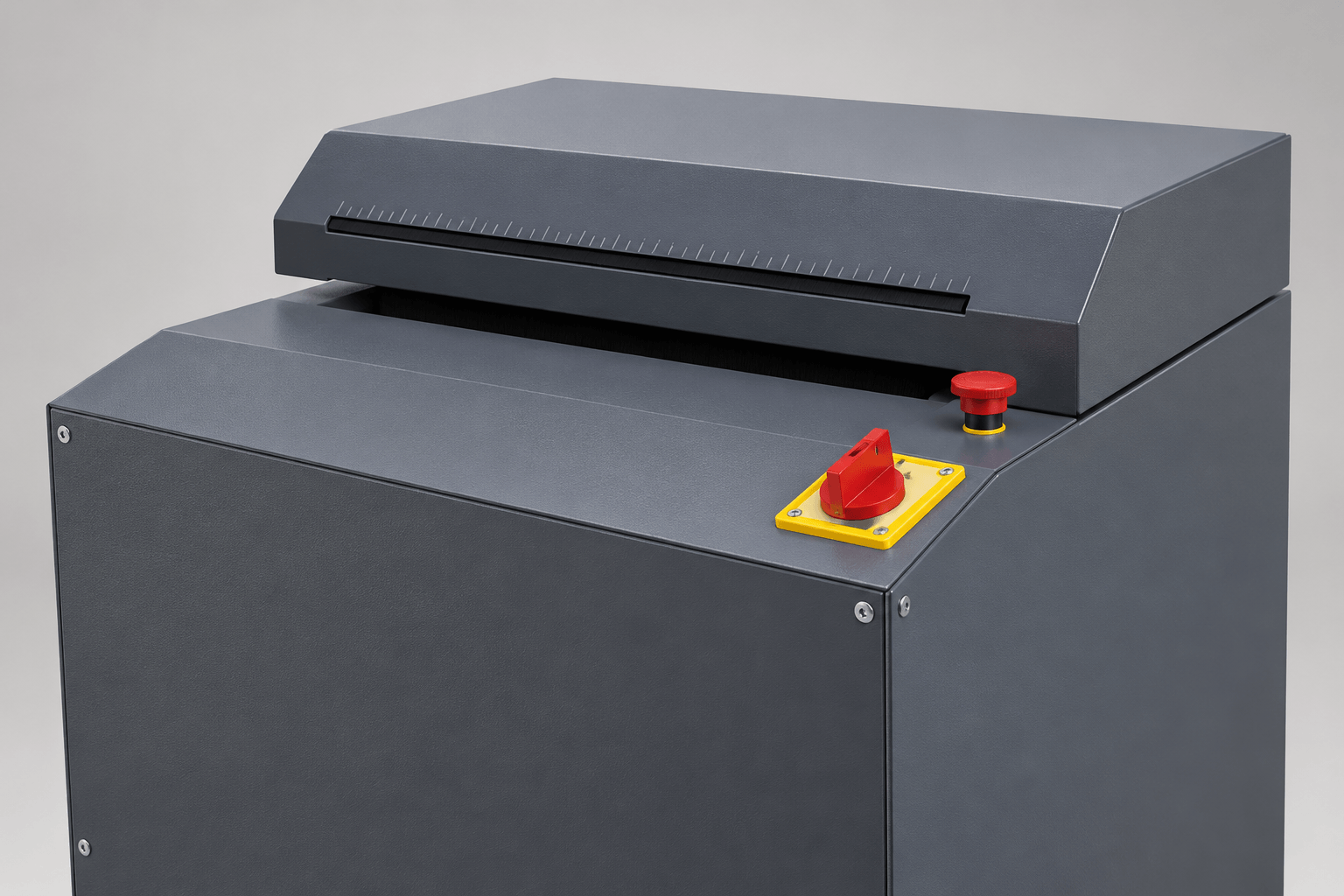
This makes the HP-EX3 a relevant candidate where the preparation job regularly involves wider panels and a faster material-feed stage. Give that job a defined incoming-stock position and a collection position. The installation decision then follows the whole preparation activity, rather than treating the cabinet as a larger version of an item already sitting on a packing bench.
Choose from the job, then specify the machine
Start with the panel widths that the operation intends to convert. Then describe how stock will reach the machine and where the linked output will go. The HP-EX2 provides a compact desktop approach within its published span; the HP-EX3 adds a wider span and higher feed speed in a floor-standing format. Those differences give the model discussion a concrete basis.
Explore Recycle Paking’s Cardboard Shredder Solution range. For a quotation comparing the two machines, send representative panel dimensions, cardboard type, intended output use, installation location, and destination country through either product inquiry form. Ask for the configuration that matches that preparation job.
Related News
Read More >-
![HP-EX3 Cardboard Shredder: A Dedicated Station for Packaging Mats]()
HP-EX3 Cardboard Shredder: A Dedicated Station for Packaging Mats
Explore the HP-EX3’s cutting width, feed and return controls, emergency stop, and scrap collection as part of a dedicated corrugated-cardboard conversion station. Discover the HP-EX3 cardboard shredder’s 500mm cutting width, feed controls, and collection features for a dedicated warehouse packaging-mat station.
-
![Cardboard Shredder for Packaging: A Warehouse Buying Guide]()
Cardboard Shredder for Packaging: A Warehouse Buying Guide
Choosing a cardboard shredder for packaging? Compare feedstock, output, workflow, trial pack-outs and operating costs before ordering warehouse equipment. A practical buying framework for warehouses considering cardboard reuse: assess incoming material, define the required output, trial the workflow and validate complete packages.
-
![Sustainable Packaging Revolution: Why the CE Certified HP-EX2 is the Ultimate Void Fill Solution for European E-commerce]()
Sustainable Packaging Revolution: Why the CE Certified HP-EX2 is the Ultimate Void Fill Solution for European E-commerce
In the current European logistics landscape, "Green" is no longer a buzzword—it is a regulatory requirement. With the European Green Deal and strict EPR (Extended Producer Responsibility) regulations taking effect across Germany, France, and the UK, businesses are facing increasing pressure to eliminate single-use plastics. Xiamen Sendaiyu Technology Co., Ltd. presents the HP-EX2 Cardboard Shredder and Paper Folding Machine, a flagship product under our Recyclepak brand. This industrial-grade machine is designed to help European enterprises transition to a circular economy while significantly reducing operational costs.