


Cardboard Shredder for Packaging: A Warehouse Buying Guide
2026-10-16 20:44
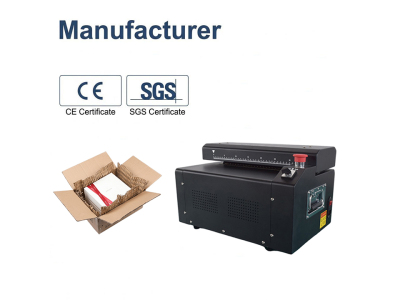
A cardboard shredder for packaging can help a warehouse turn suitable used corrugated board into protective packing material. Recycle Paking lists this material-conversion role in its cardboard shredder range. For a buyer, however, the useful question is how the equipment fits the operation: which incoming cartons can be processed, what output is needed, and whether the resulting pack protects the goods consistently.
Treat the purchase as a small packaging-process project. A structured trial will give the procurement team more useful evidence than a comparison based only on machine price or a short demonstration video.
Start with the cardboard you actually receive
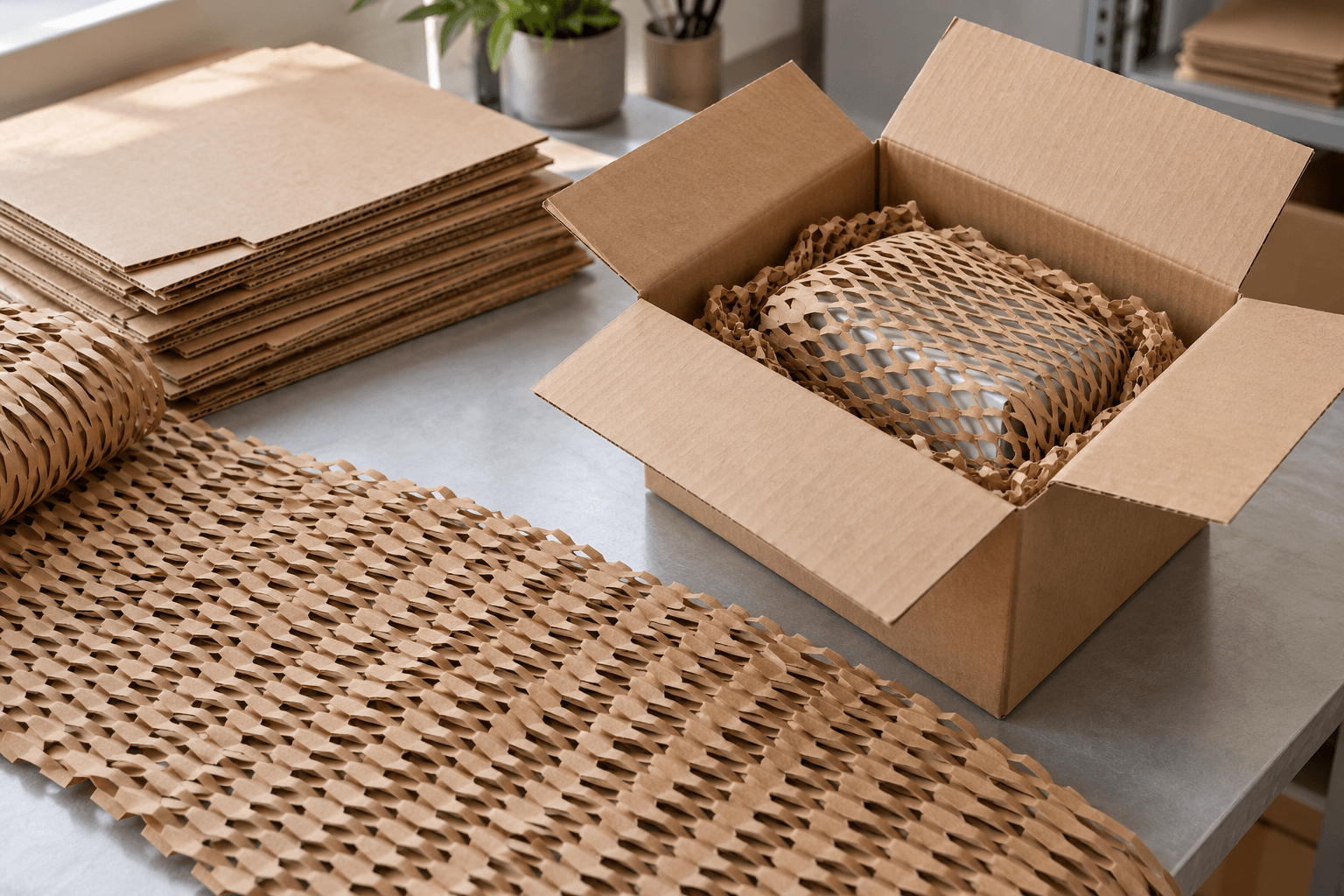
Audit incoming cartons over representative working days, including a busy period. Separate material that could be reused from wet, dirty, heavily coated or otherwise unsuitable board. Record typical panel sizes, board thicknesses and how much preparation each carton needs. Ask the equipment supplier to confirm accepted materials and any restrictions on tape, staples or other attachments for the proposed model.
Use this audit to estimate a dependable supply of suitable feedstock. If available cardboard changes sharply from week to week, plan a backup packing material. An equipment decision should not leave operators searching for usable cartons when outbound orders peak.
Define the output before comparing machines
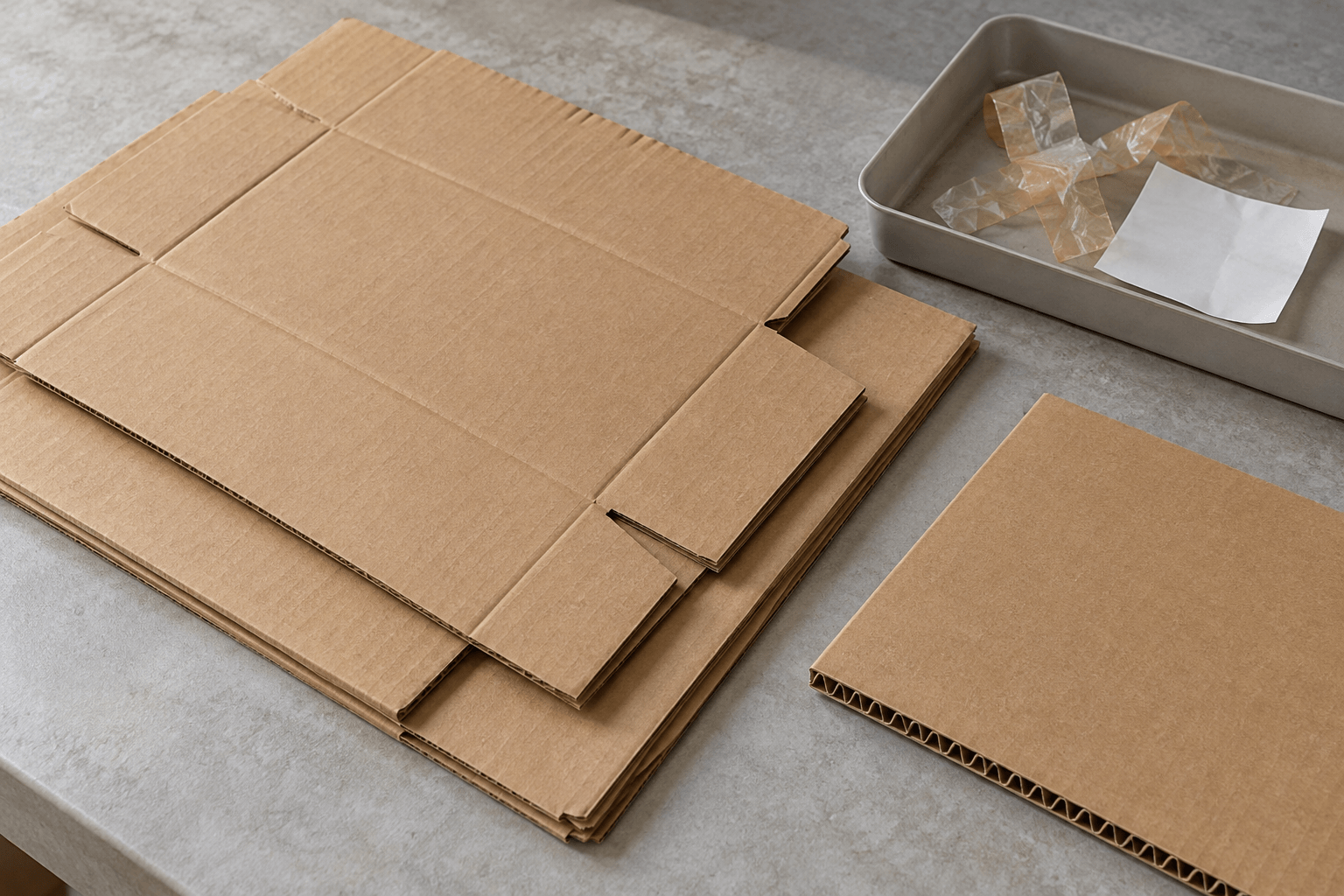
The word shredder is not enough to specify the packing result. Ask for physical output samples and clarify whether the proposed equipment produces a perforated mat, strips or another format. Compare the samples with the actual product, contact surfaces and carton design. A sample that looks substantial on a bench may still be awkward to fold, position or repeat accurately during packing.
Include output width, the preparation needed before feeding, and the amount of handling after processing in the trial brief. Where consistent purchased paper is a better operational fit, compare a paper cushion or void-fill solution alongside the cardboard-reuse option. Choose by the packing task rather than assuming one material should serve every order.
Measure the whole packing workflow
During a demonstration, time the complete sequence: collect suitable board, prepare it, feed the equipment, handle the output and complete a parcel. Include cleaning, interruptions and the distance between the machine and packing stations. Ask the supplier to explain the rated duty cycle, power requirements, operator safeguards, noise information, maintenance tasks and available documentation.
A useful acceptance measure is the number of consistently packed orders supported during a representative shift. Record this alongside operator time and material use. Nominal processing speed alone cannot show whether the proposed arrangement will support your order mix.
Validate the complete package
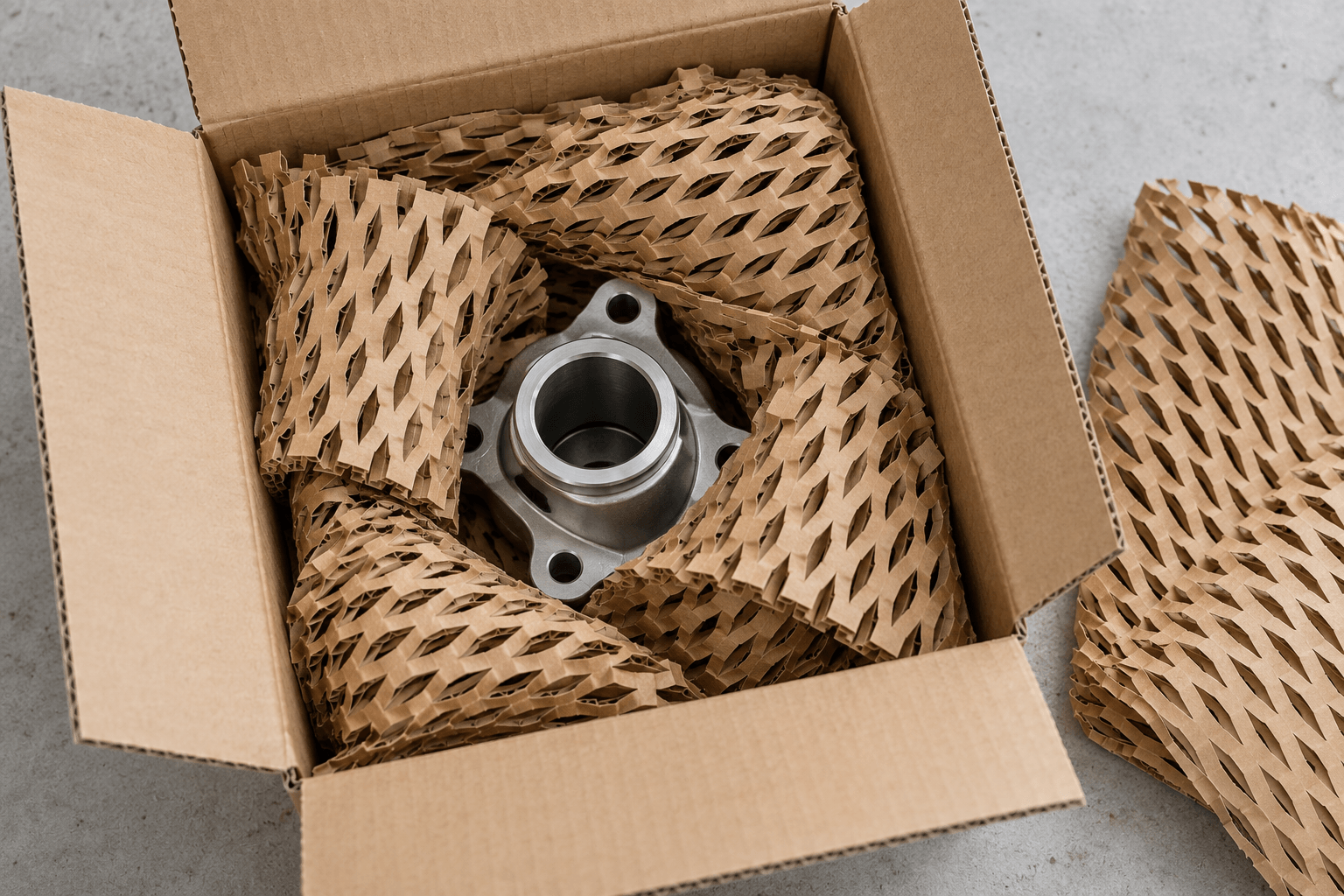
Select trial products that represent different weights, shapes and surface sensitivities. Define acceptable product condition before testing and document the carton, material quantity, placement and closure method. Treat a visually neat pack as a prototype until its performance has been evaluated.
ISTA advises selecting tests with knowledge of the actual distribution environment, including shipping, handling and storage. Its design and testing guidance provides a useful starting point for discussions with a packaging laboratory. Agree on a suitable test plan for the complete product-and-package combination, then monitor pilot shipments. A material sample or machine demonstration does not establish transit performance.
Calculate costs using measured inputs
Build a comparison using your own trial data. Include equipment and installation costs, labor for sorting and preparation, electricity, maintenance, replacement parts, workspace and any backup consumables. Compare these with the material purchases and handling activities the new process would actually replace. Check whether reusing cartons changes existing recycling revenue or collection arrangements.
Review cost per completed parcel together with package performance and workflow consistency. Do not assign savings to rejected cardboard, unused output or processing capacity the warehouse cannot use. Where a figure remains uncertain, show the assumption and test how the purchasing decision changes if that assumption is less favorable.
Send suppliers a specific trial brief
A useful inquiry includes photographs and samples of incoming board, representative product and carton dimensions, typical and peak order volumes, available workspace and the destination power supply. Ask for a trial using your material, a written specification for the proposed configuration, and clear information on spare parts and after-sales support. Give each shortlisted supplier the same acceptance criteria so the results are comparable.
Buyer FAQ
Can a cardboard shredder replace all purchased cushioning?
Make that decision by product group after a trial. Feedstock availability, surface protection, packing consistency and shipping performance may justify retaining more than one material.
What is the best first step?
Prepare a small feedstock audit and representative pack-out samples. Contact Recycle Paking with those details to discuss suitable equipment and a practical evaluation plan.